

Standing desk mat for concrete floor is one of the most practical—and overlooked—pieces of ergonomic gear if you work on hard, unyielding surfaces. Whether your workspace is a garage, basement, or home office loft, the right mat can make the difference between comfort and chronic pain.
Key Takeaways
- Standing desk mats for concrete floors significantly reduce discomfort and fatigue versus standing directly on concrete.
- Most issues with anti-fatigue mats—such as edge curling, slipping, and rapid wear—are avoidable with the right material and placement.
- The best results come from choosing high-density, non-slip mats specifically designed for rugged environments, not just typical office spaces.
- What Is a Standing Desk Mat for Concrete Floors, and Why Does It Matter?
- How to Select and Use a Standing Desk Mat for Hard Floors (Step-by-Step Guide)
- Advanced Analysis & Common Pitfalls: What Most Reviews Miss
- Conclusion
- FAQ
What Is a Standing Desk Mat for Concrete Floors, and Why Does It Matter?
A standing desk mat for concrete floor is a thick, high-density anti-fatigue mat designed to provide cushioning, grip, and stability when you work on rock-hard surfaces. Unlike thin mats or carpet office pads, these are engineered for maximum comfort and support, minimizing pressure on your feet, legs, and lower back during long periods of standing.
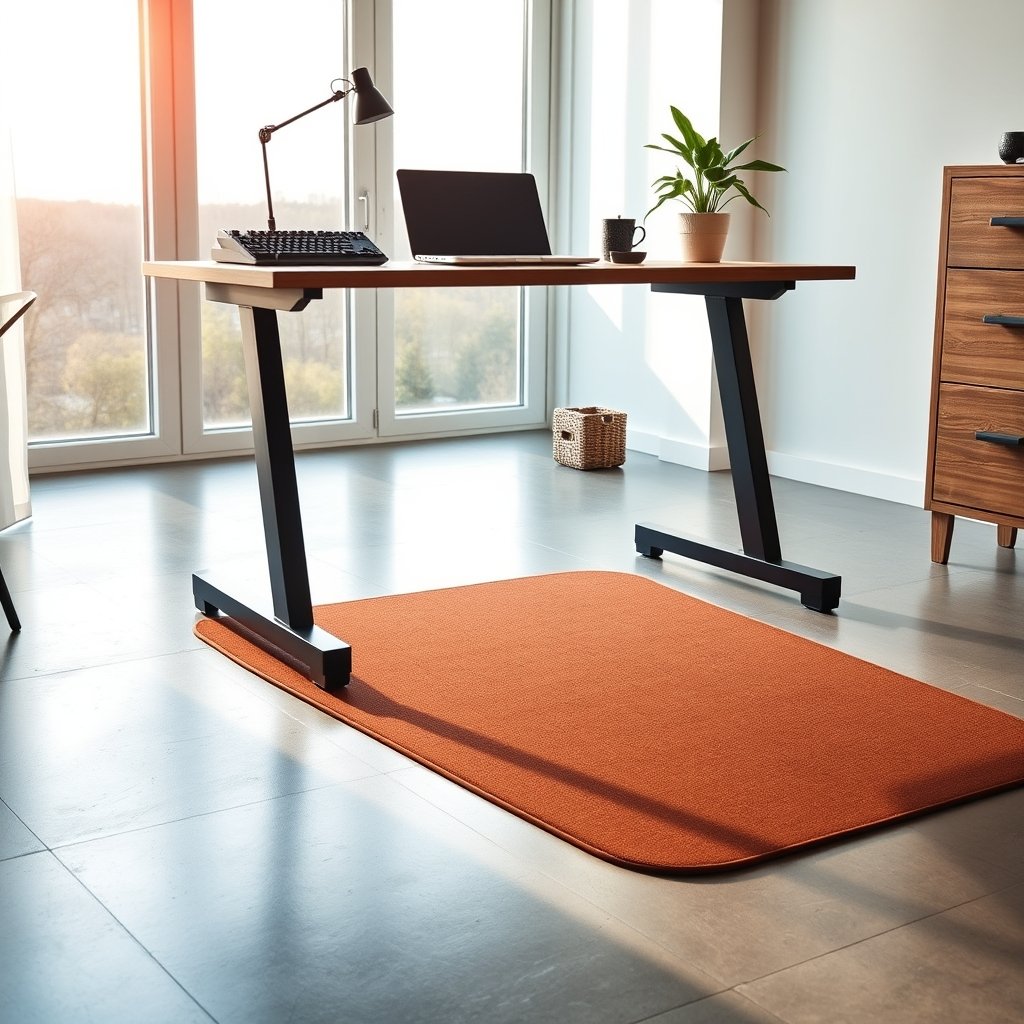
Standing directly on concrete leads to more than just sore feet. A 2021 study found that using a mat on concrete significantly reduced lower limb discomfort and improved ergonomic experience versus standing on the bare floor. Advanced anti-fatigue mats help distribute plantar pressure, optimally supporting your body and encouraging subtle movement, which decreases overall musculoskeletal strain. These effects aren’t just psychological. Peer-reviewed studies show reduced back pain and better posture in both healthy workers and those with pre-existing joint aches.
For anyone using a smart standing desk or setting up a home office in a rugged spot, a specialized mat tackles discomfort that no ergonomic chair or fancy desk can solve alone.
How to Select and Use a Standing Desk Mat for Hard Floors (Step-by-Step Guide)
- Identify your workspace use case. Are you standing for short tasks, entire work shifts, or somewhere in between? Garage shop operators and gamers may have very different needs than someone using a standing desk for ADHD focus.
- Measure your available floor space. For most standing desk set-ups, a standard 20-by-32 inch mat suffices. For wide workbenches or garage stations, consider oversized or industrial-length anti-fatigue mats.
- Choose the right mat density. The best mats for concrete floors balance firmness with just enough give to relieve stress — aim for high-density polyurethane or rubber blends, which resist collapse and edge curling. Avoid mats that feel spongy; these wear out quickly.
- Look for non-slip and safety features. Always select a mat with a grippy underside, beveled anti-trip edges, and, if your workspace is prone to spills, oil- or chemical-resistant coatings.
- Place the mat on a clean, level floor. Surface prep is crucial: Clean and level your floor, remove grit, and lay your mat flat. Unevenness or dirt is the number one cause of mat slippage and premature damage.
- Start with moderate standing durations. Even the best mat can’t erase all fatigue if you suddenly triple your standing time. Ramp up slowly, taking regular movement breaks, and monitor your comfort level.
- Follow a maintenance routine. Weekly cleaning prevents dirt buildup and loss of grip. For heavy-use environments, inspect weekly for signs of edge wear or compression.
- Consider mat compatibility if using a treadmill desk or rolling chair. Not all thick mats work well under wheels — in these cases, look for hybrid “chair mats” or thinner anti-fatigue options with reinforced edges.
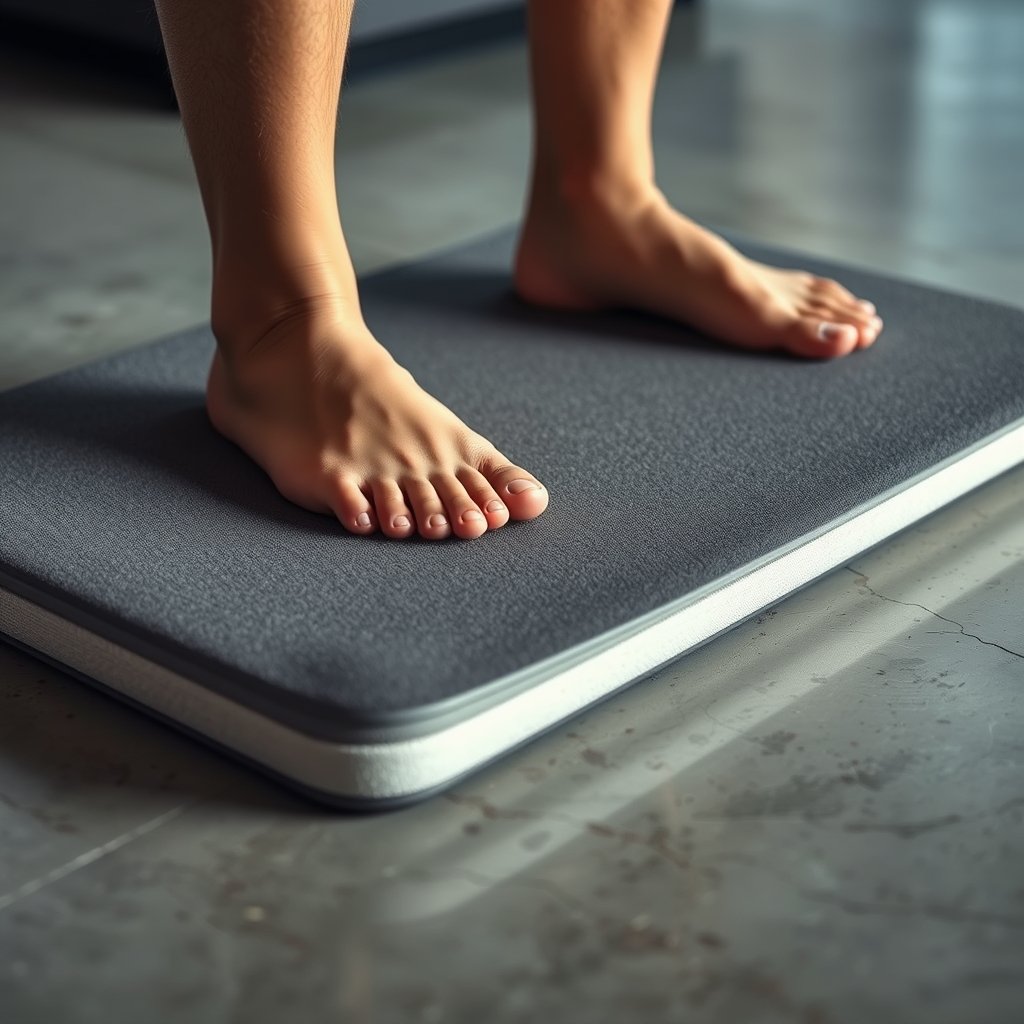
For additional customization and alternative workspace ideas (such as foldaway solutions for small apartments), see our compact office desk guide.
Advanced Analysis & Common Pitfalls: What Most Reviews Miss
Many standing desk mat reviews focus only on comfort or price, missing the big picture for concrete and industrial settings. Here’s what most buyers and even experts overlook.
| Feature | Why It Matters for Concrete Floors | Potential Issues | Expert Tip |
|---|---|---|---|
| Density Balance | High-density foam/rubber prevents excessive sinking, ankle fatigue, and rapid wear. | Too-soft mats collapse; overly hard mats cause joint pain after 30+ minutes. | Choose ¾” to 1″ thick, high-density polyurethane; avoid memory foam for heavy use. [source] |
| Safety Specs | Beveled edges prevent tripping. Non-slip backing prevents sudden slips, especially if concrete is dusty or polished. | Curling edges are a major trip hazard. Sliding mats can lead to falls, especially in garages. | Always check for high-grip, oil/water-resistant mats for garages/basements. |
| Contextual Fit | Matching mat to task, footwear, and floor condition is crucial for comfort and longevity. | Mats trap dirt if placed in high-traffic or dirty workspaces; sliding increases on uneven surfaces. | Clean and level your floor before placing. Use mats only with compatible shoes. |
| Maintenance & Cleaning | Regular cleaning ensures grip and hygiene, prevents mat from sliding and premature degradation. | Neglect causes quick surface wear, odor buildup, and slipperiness. | Wipe down with mild soap weekly in heavy-duty areas. |
Many standard office anti-fatigue pads break down fast in rugged settings, especially cheap memory foam models. Skipping on safety features like beveled edges or high-friction material leads to tripping hazards and sliding, especially if you use a standing desk for back pain and expect extra stability.
For high-use or industrial zones where chemicals and spills are common, “office” anti-fatigue mats won’t hold up. Choose mats rated for oil, water, and stain resistance. If you’re unsure, industrial anti-fatigue mats, typically found in warehouses, are a safer bet—though sometimes less cushy, their long-term durability is unmatched (expert discussion).

Conclusion
Choosing the best standing desk mat for concrete floor isn’t just about comfort—it’s about preventing pain and staying productive, especially in tough environments. Remember to prioritize mat thickness, density, and grip, and don’t ignore ongoing care. Investing wisely keeps your setup safe and effective for years.
Ready to transform your concrete workspace? Compare your options, check for durability and safety features, and upgrade your setup for maximum energy and well-being. Your body will thank you.
FAQ
How thick should my standing desk mat be for concrete floors?
For concrete, choose a mat that’s at least ¾” thick. Thicker (up to 1″) high-density mats offer superior support and last longer without excessive “bottoming out.”
How do I keep my anti-fatigue mat from sliding on polished concrete?
Look for mats with an aggressive non-slip backing. Clean the floor before placement. If slipping persists, temporary fixes like rug grippers or painter’s tape can help.
Can I use any anti-fatigue mat in my garage or basement?
No. Many office anti-fatigue mats degrade fast on concrete or in fluctuating temps. For best results, choose a mat rated for industrial use, with oil/water resistance and beveled edges.
Are there certifications I should look for when buying a mat?
While there’s no universal certification, look for product listings that mention slip-resistance, non-toxic materials, and, for garage/basement use, oil/chemical resistance.
How often should I clean my concrete floor mat?
Clean weekly in dusty or active areas. Wipe with mild soap and water. Regular cleaning extends grip and prevents premature wear.