

Standing desk for ADHD solutions are gaining popularity among adults who want more focus and energy during the workday. But are standing desks truly helpful for ADHD, and what does the research actually say? Here’s a realistic, no-hype look at the facts, practical steps, and potential pitfalls if you’re considering a standing desk for ADHD management.
Key Takeaways
- Peer-reviewed research on standing desks for adults with ADHD is limited, but movement and posture changes may offer benefits.
- Most real-world tips for ADHD-friendly standing desks rely on personal adaptation and workspace trial and error.
- Potential drawbacks—like fatigue, restlessness, or distraction—are rarely covered but matter just as much as the upsides.
- What Is a Standing Desk for ADHD and Why Consider One?
- How to Set Up and Use a Standing Desk for ADHD: Step-by-Step
- Advanced Analysis & Common Pitfalls
- Conclusion
- FAQ
What Is a Standing Desk for ADHD and Why Consider One?
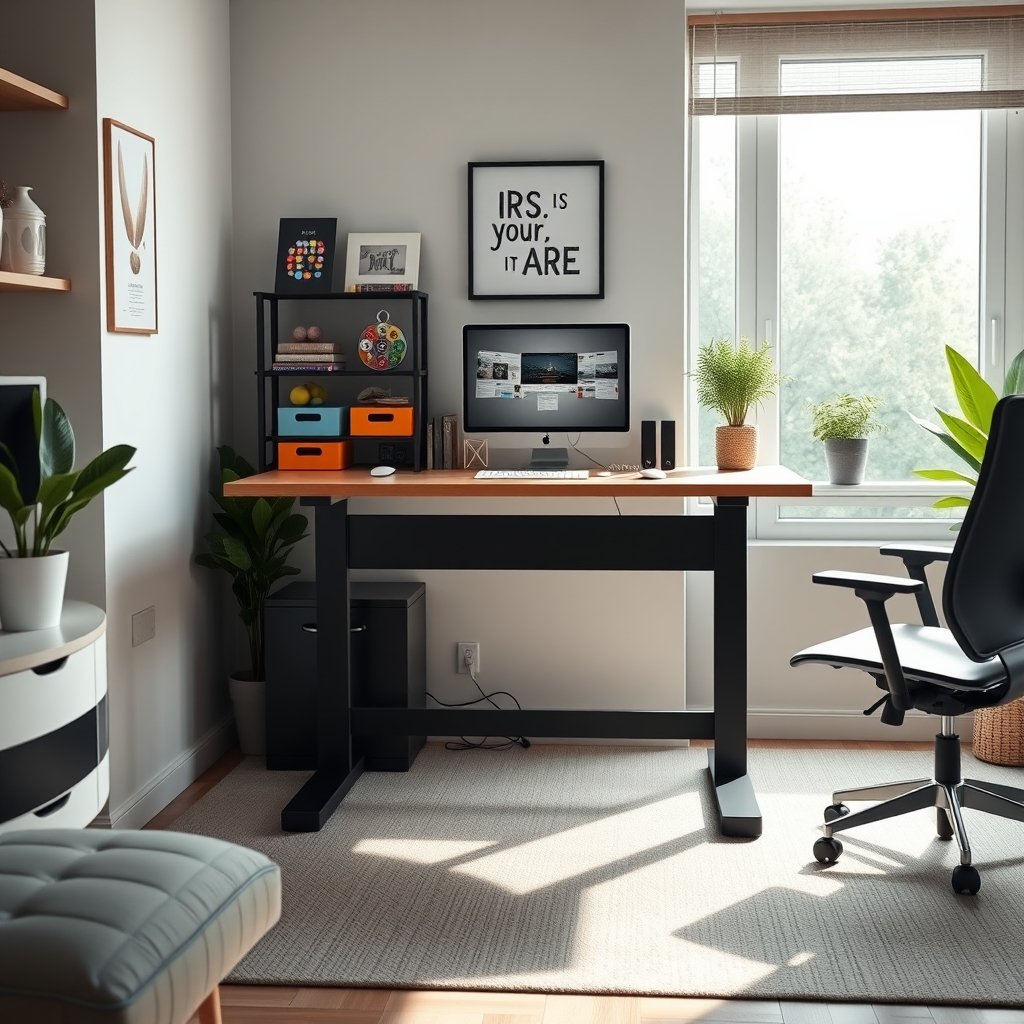
Standing desks are workstations designed to allow users to stand or switch positions while working. For people with ADHD, the option to alternate between sitting and standing—or subtly move while working—can help manage restlessness and boost alertness. While there is no modern research confirming they boost productivity or focus for ADHD adults, their popularity has surged due to anecdotal benefits reported online and in communities.
The idea: consistent minor movement, standing up, or shifting weight can reduce physical discomfort and potentially minimize fidget-related distractions, a core challenge for many with ADHD. However, most available research, including a 2024 pilot study, focuses on children and doesn’t show significant direct effects in adults. Still, flexibility, variety, and personal experimentation are often cited as practical drivers for interest in these desks.
How to Set Up and Use a Standing Desk for ADHD: Step-by-Step
-
Start Small: Ease into Standing
Set modest standing goals—such as 15 to 30 minutes at a time. Track how you feel and adjust gradually. Notice if you’re more focused, or if standing triggers new distractions. -
Pick an Adjustable Desk (Manual or Electric)
Flexibility is key. Desks that adjust easily let you switch often, matching your energy and concentration patterns.
Consider browsing comparative guides like best standing desks for home offices or standing vs sitting desk comparison for additional insight. -
Organize for the ADHD Mind
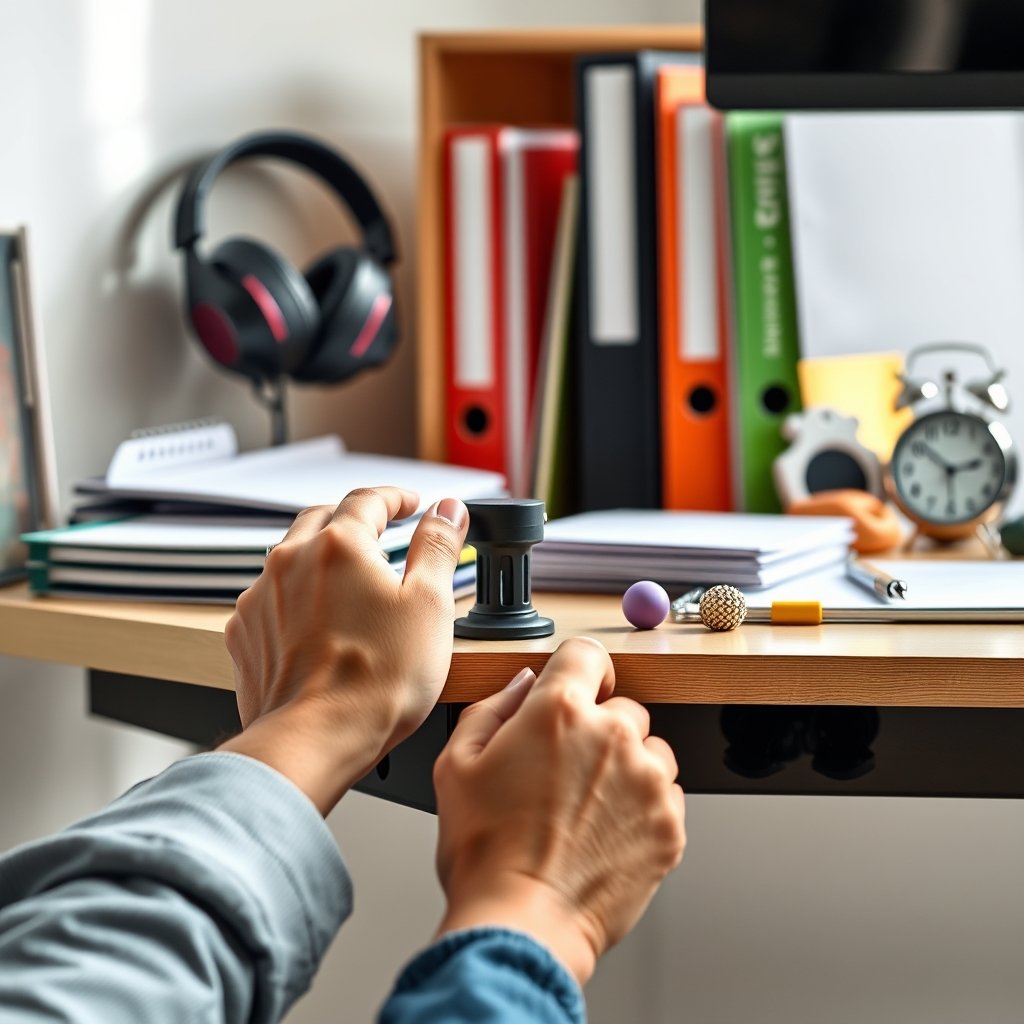
Use trays, shelves, or modular storage to keep small items tidy. Uncluttered surfaces reduce distractions and make transitions easier. -
Add Movement—But Don’t Overdo It
If you like to fidget, try a wobble board or subtle foot movement mat. These can provide enough activity without making you lose focus. -
Listen to Your Body (and Mind)
If you notice discomfort or decreased focus, sit back down. Adapt the stand-sit ratio to meet your needs, not just general recommendations.
- Explore ADHD-friendly standing desk accessories to maintain interest and organization.
- Learn how standing desks impact executive functioning based on recent research.
- See tips for maximizing small office layouts.
Advanced Analysis & Common Pitfalls
There’s a temptation to think a standing desk is a quick fix for adult ADHD—but available research does not validate these claims. When reviewing resources like the ETSU thesis study, only mild improvements in on-task behavior were shown for older students, not adults.
Most commercial sources—such as EffyDesk and Ergo Desks—discuss theoretical benefits without clinical backing, and primarily reference general movement or focus advantages.
| Potential Pitfall | Why It Matters | How to Manage |
|---|---|---|
| Fatigue & Leg Discomfort | Standing for long periods can cause soreness, low energy, and ultimately hurt focus. | Alternate positions every 20 to 40 minutes; use supportive mats; wear cushioned shoes. |
| Desk Disorganization | An untidy surface creates visual distractions or lost items—risk is higher with posture changes. | Add trays and labeled containers; reset your workspace at the end of each day. |
| Initial Over-Reliance on “Novelty” | New setups feel exciting at first, but benefits fade if the environment doesn’t match real needs. | Regularly reevaluate whether standing is helpful or just different; customize based on feedback. |
| No Personalized Features | Most verified buyer reviews or occupational therapy perspectives on ADHD-friendly features are unavailable. | Prioritize desks with height presets, quick switches, and optional add-ons for fidgeting or posture variety. |
| Budget & Warranty Gaps | There are no verified, up-to-date comparisons of price, warranty, or ergonomic claims for ADHD-specific desks. | Check the return policy before buying. If possible, try before committing to long-term use. |
Incorporate movement breaks to stay refreshed, but avoid overdoing fidgeting—a common trap not always addressed in top competitor articles.

Conclusion
For ADHD adults, a standing desk can offer an opportunity to personalize the workspace and experiment with movement to help manage distractions. The evidence base for using a standing desk for ADHD is thin, but thoughtful setup and honest self-checks can yield practical benefits—if you dial in the right strategies and avoid common pitfalls. Ready to try standing and see what works for your mind (and body)? Start simple, adapt frequently, and listen to your experience over headline claims.
Interested in learning more? Check out our full guide on watching your ergonomic posture at a standing desk.
FAQ
Is there proof that standing desks help adults with ADHD focus better?
No. As of now, no peer-reviewed studies show measurable improvements in focus or productivity for adults with ADHD using standing desks. Most existing studies focus on children or offer anecdotal evidence only. See recent findings at PMC10969280.
What is the biggest challenge for ADHD adults using a standing desk?
The most common challenge is physical fatigue and keeping the desk organized. ADHD tendencies toward distraction or clutter may become more obvious with frequent posture changes.
How do I know if a standing desk is right for my ADHD?
Test it gradually. Try standing in short bursts and pay attention to your productivity and comfort. If you notice improvements—or drawbacks—adapt or try alternatives like movement stools or foot fidget devices.
Are there standing desks designed specifically for neurodivergent adults?
No major brands market desks specifically for adults with ADHD. However, some models offer features like presets, quick adjustment, and modular storage that can support ADHD-friendly customization.
Do standing desks qualify as a workplace accommodation for ADHD?
Sometimes. If standing or movement desks support your function and a healthcare provider confirms the need, they can in some cases be requested as a reasonable accommodation under ADA rules. Check with your employer and HR.