

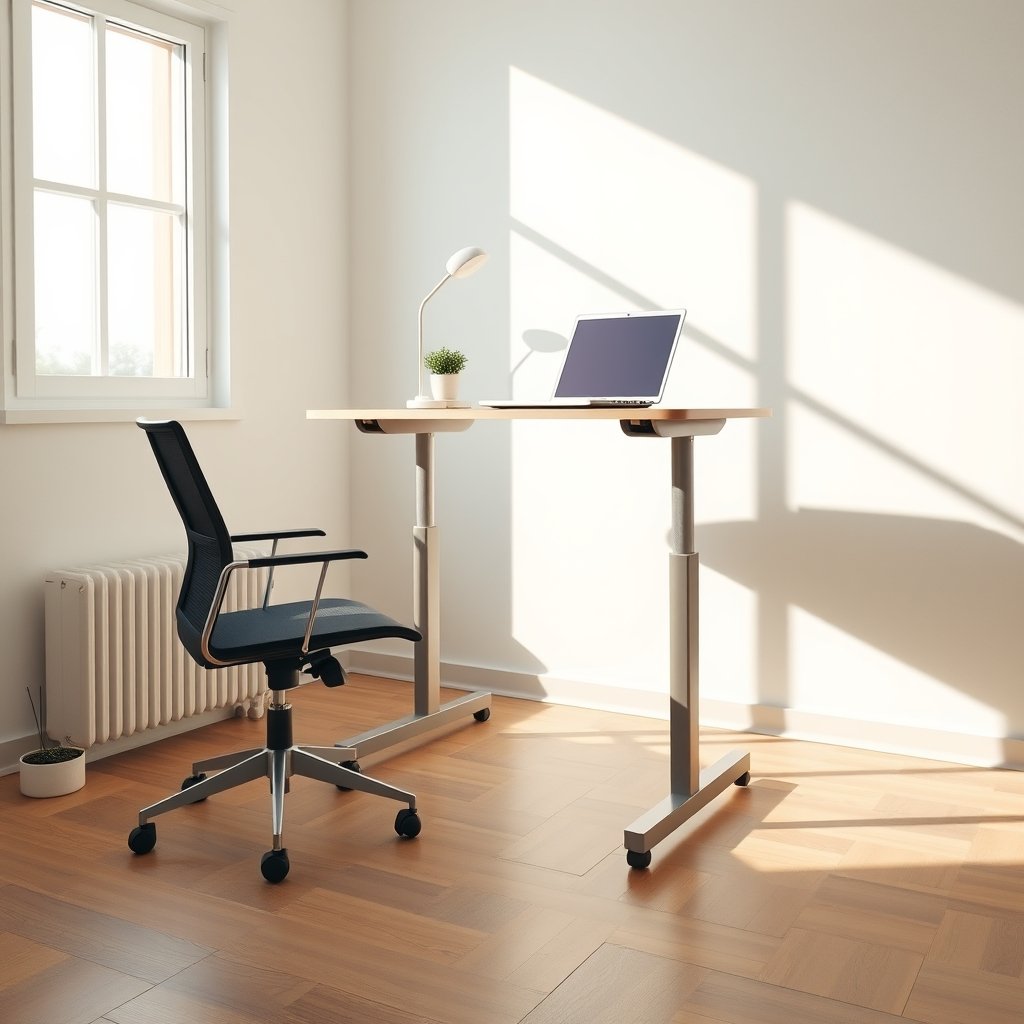
Standing desk for small apartment is a game changer if you’re determined to create a healthy workspace in a tight living area. Whether you’re in a 300-square-foot studio or just want less clutter, smart compact standing desk choices matter—but many “compact” desks disappoint. Here’s how to actually make a standing desk setup work for your small apartment, with zero fluff and realistic advice from hands-on research.
Key Takeaways
- Choose a compact standing desk (40–48 inches wide, 24–30 inches deep) to maximize function and minimize footprint in small apartments.
- Wall-mounted and foldable models save space but come with rental and stability trade-offs—always check weight capacities and install methods.
- smart cable management and careful placement (nook, window, or sofa console) are critical for a clean, usable workspace.
- What Makes a Standing Desk Work in a Small Apartment?
- How to Set Up a Standing Desk for a Small Apartment (Step-by-Step)
- Pitfalls and Real Problems to Watch Out For
- Conclusion
- FAQ
What Makes a Standing Desk Work in a Small Apartment?
Not all “small” standing desks live up to their promises. The right standing desk for a small apartment blends compact size, efficient storage, and real-world practicality. Look for these essentials:
- Width: The sweet spot is 40–48 inches—a 40-inch desk fits next to beds, sofas, or into nooks, while 48 inches supports dual monitor setups in a one-bedroom or studio. Anything wider dominates your room.
- Depth: Target 24–28 inches deep—enough for monitor(s) or a laptop, but not so deep you block walkways or crowd into living space. Always measure around doorways, radiators, and baseboards before buying.
- Mobility & Storage: Wall-mounted or fold-down desks project only 4–6 inches when stowed. Rolling and foldable models can tuck away after use, opening space for guests or workouts.
- Visual Lightness: Slim frames and light finishes make cramped apartments feel more open, as seen in urban studio case studies.
- Flexible Placement: Position your desk near windows for natural light, in alcoves, or behind sofas (console style). Creative use of unconventional spaces makes tiny apartments truly work.
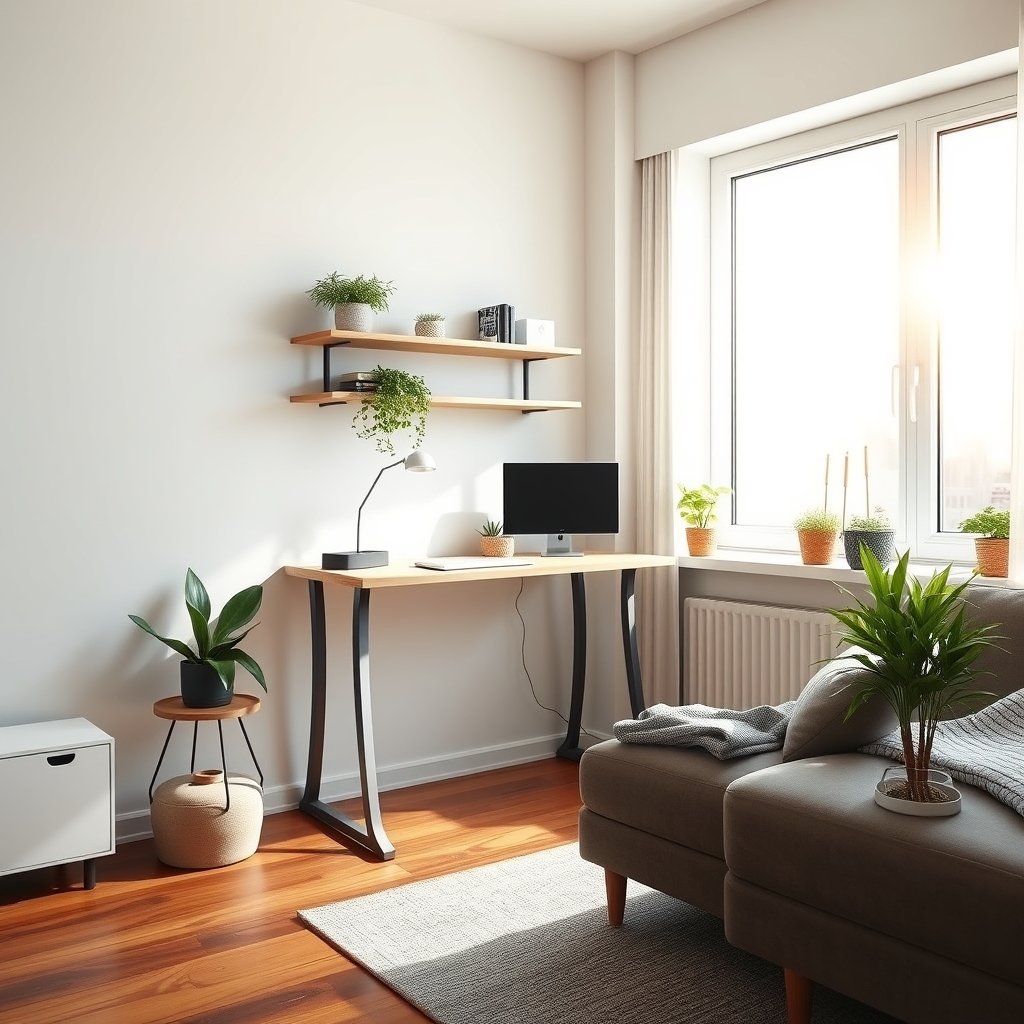
Market trends show demand for these exact features. Premium brands like Herman Miller offer “visually light” models but often miss on both quality and value for small spaces.
Choosing a space-efficient standing desk isn’t just about downsizing. It’s about real usability—quiet lifting, hiding cables, and ensuring the product fits your height needs (very short or tall users can get boxed out by “budget” options). If you want more human-centered detail, see this expert guide on ADHD workspace setups.
How to Set Up a Standing Desk for a Small Apartment (Step-by-Step)
- Choose the Right Model. Pick a desk that’s 40–48 inches wide and 24–28 inches deep. Wall-mounted and foldable designs are best for extreme space restrictions (under 300 sq ft). Before deciding, check for these features:
- Dual-motor lift (quieter, less vibration for neighbor peace)
- Weight rating (minimum 100 lbs; 150+ lbs is better if you use monitors and gear)
- Warranty—don’t settle for less than 2–5 years (commonly weak on cheaper models)
- Measure Your Space Remorselessly. Use a tape measure across floors, up to doorways, and around any radiator, window trim, or baseboard sticking out more than half an inch. It sounds basic, but tight fit disasters are common.
- Plan Installation. Renters should avoid wall-mounts (stud drilling required). For portable/foldable or electric models, prepare for 30–60 minutes of assembly. Keep the path from box to install site clear.
- Integrate Cable Management from the Start. Use adhesive cable trays or a stick-on raceway under the desktop. Choose slim-profile surge protectors and short cables to prevent visual clutter. Some models include built-in cable slots, but most do not—budget for your own solution.
- Arrange Ergonomics and Lighting. Place your desk by a window or under ceiling lights, add a task lamp, and make sure your screen sits at eye level when standing. Use a compact anti-fatigue mat you can stash under the sofa.
- Hide Accessories and Supplies. Pick a model with a pencil drawer if you need storage. Use vertical storage: floating shelves above or to the side. For more creative storage-and-organization hacks, check out the actionable tips on AI-powered desks that learn your routine.
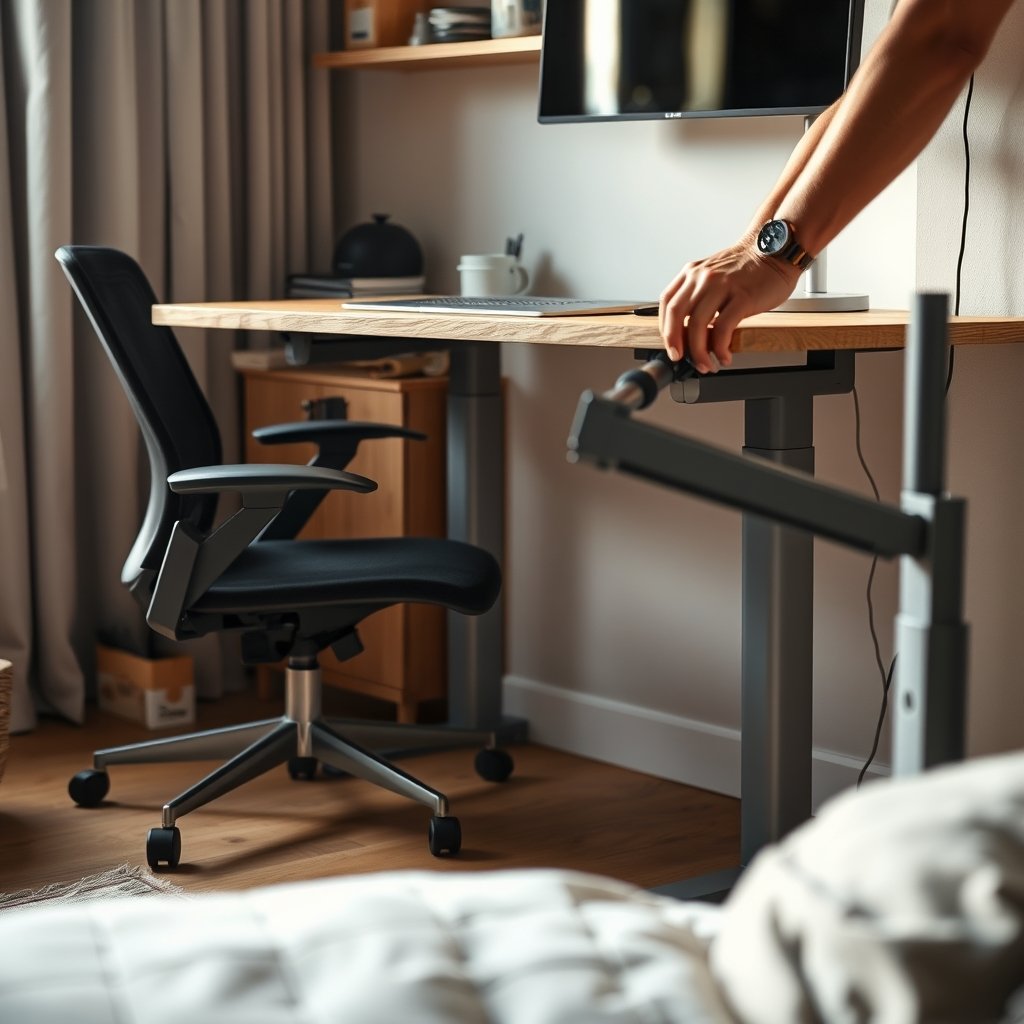
If you’re an active remote worker or want to add walking while working, see the practical ideas at how to combine a budget under desk treadmill and standing desk—even in less than 400 sq ft.
Installation of mainstream models like Northread Electric is faster than average but sometimes uneven—check all fasteners, and test the lift mechanism before daily use. For more advanced, smart, or AI-powered scheduled adjustments, see this guide to standing desks that automatically optimize your work schedule.
Pitfalls and Real Problems to Watch Out For
Not every standing desk for small apartment living matches the hype. These are the issues most users run into:
- Wall-mounted desks: Require stud drilling—a pain for renters and a dealbreaker if you don’t want to patch drywall when moving. Typical weight capacity: 100–150 pounds. Not for heavy multi-monitor or audio setups.
- Foldable/Portable desks: Often lack rock-solid stability. Watch for shaky legs or side-to-side wobble, especially with single-motor electric lift models (louder, vibrates through thin floors—your downstairs neighbor will notice).
- Commodity electric desks: Cheap models (like Northread Electric) have short warranties, open mechanical parts, misaligned assembly holes, and insufficient cable management. Read reviews and always inspect parts before final setup.
- Ergonomic fit: Single-stage lift systems may not reach tall or very short users’ comfortable standing heights. If you’re under 5’3″ or over 6’2″, check minimum and maximum height ranges before purchase—or invest in a dual-stage desk. See user complaints here.
- Cable chaos: Most compact desks do not ship with adequate cable trays or grommets. Leaving cables loose is a recipe for clutter and quick frustration in tiny apartments.
| Model Type | Typical Dimensions | Weight Capacity | Assembly & Install | Key Pros | Key Cons |
|---|---|---|---|---|---|
| Wall-mounted / Fold-down | Up to 40” wide, projects 4–6” when stowed | 100–150 lbs | Stud mounting, may take 30–60 min, drilling needed | Saves floor space, ideal for micro-apartments | Not renter-friendly, low weight rating |
| Compact Electric (e.g. Northread) | ~40” W x 24” D | ~120 lbs | Quick assembly; plug-in power | Easy lift, basic cable tray, storage drawer | Shaky, short warranty, quality issues |
| Sit-stand Platform (Oploft) | Fits one 24” monitor/laptop | No full desk rating | Zero install, simply place on existing desk | Portable, easy to store | Limited workspace, can’t hide cables fully |
For a deeper breakdown of space constraints, stability issues, and why some “premium” desks often underperform in tiny homes, consider this expert review.
Getting a standing desk that helps—rather than crowds—your apartment means ruthlessly checking specs, setup requirements, and stability reviews. If you’re looking for ADHD-friendly setups or movement-boosting alternatives, don’t miss the full breakdown in our dedicated ADHD workspace guide.
Conclusion
Finding the best standing desk for small apartment living requires more than just picking a tiny model—you need smart measurements, smart cable strategies, and realistic expectations for installation and quality. Use the step-by-step process above to match your space and work habits, and don’t be afraid to explore hacks like sit-stand platforms if full desks don’t fit.
If you’re ready to reclaim your focus, declutter your home office, or experiment with movement and AI-driven standing desk schedules, now is the time. The right setup will transform your workflow and your apartment. Standing desk for small apartment could be the missing link between cramped chaos and a productive sanctuary—just measure twice, drill once, and don’t ignore those cable trays. Click here to explore our full buying guides and reviews!
FAQ
What is the ideal size for a standing desk in a small apartment?
For most small apartments, a standing desk measuring 40–48 inches wide and 24–28 inches deep is optimal. This size balances workspace for monitors or laptops while still fitting near beds, sofas, or in nooks.
Are wall-mounted standing desks good for renters?
Wall-mounted desks aren’t ideal for renters because they require drilling into studs. It’s best to choose foldable or rolling models that don’t need permanent installation if you’re renting—or consider tension-rod mounted fold-down desks.
How do I hide cables with a compact standing desk?
Many compact desks lack built-in cable management. Use adhesive cable trays, snap-on power strips under the desk, and short cables. Some sit-stand platforms let you run power and monitor cables behind your monitor arm for a cleaner look.
Do portable sit-stand platforms actually work in tiny spaces?
Yes, sit-stand platforms like the Oploft are robust for laptop and 24-inch monitor use, and can be stored vertically on a shelf. They don’t offer storage or much space for accessories, but are a strong choice if a full desk won’t fit.
What’s the quietest type of compact standing desk for apartments?
Dual-motor electric standing desks are quieter (around 40–50 dB) and reduce neighbor-disturbing vibration compared to single-motor budget models. Always check user reviews for noise complaints specific to small apartments.